
Article
Mar 11, 2025
Learn how welding simulation works, how simulated training supports skill development, and how learners can practise welding techniques in a controlled environment.
Welding simulation is changing how welding skills can be practised, assessed, and developed. By recreating welding tasks in a controlled and repeatable digital environment, simulation allows learners to practise techniques, work through different scenarios, and receive feedback on their performance.
But how does welding simulation work? From creating a simulated training environment to tracking learner performance, welding simulation technology provides a structured way to practise and improve skills before and alongside hands-on welding training.
This guide explains how welding simulation works, what skills can be practised, its benefits, the welding processes that can be simulated, and how organizations can incorporate simulation into their training programs.
What Is Welding Simulation?
Welding simulation is a technology-based approach to training that recreates welding tasks within a digital environment. Instead of relying entirely on physical materials and equipment for every practice session, learners can work through simulated welding exercises in a controlled setting.
A welding simulator is one type of technology that can be used to deliver welding simulation and structured training exercises. Depending on the system and training content, it can recreate different workpieces, joints, welding positions, and training scenarios.
The purpose of welding simulation is to provide learners with an additional way to practise techniques, understand their performance, and repeat exercises as they develop their skills.
Simulation-based training can complement traditional hands-on instruction by giving learners opportunities to practise selected techniques before or alongside physical welding.
How Does Welding Simulation Work?
Welding simulation combines a digital training environment, interactive exercises, simulated equipment, and performance assessment to create a structured learning experience.
The process generally involves several stages.
Creating the Training Environment
The process begins with a digital environment designed around the requirements of a welding training program.
The environment may include:
Virtual workpieces
Different joint configurations
Welding positions
Simulated tools and equipment
Training scenarios
Different levels of exercise difficulty
The training environment is structured around the skills learners need to practise.
Performing the Welding Exercise
The learner performs a simulated welding task within the training environment.
Depending on the exercise, learners may need to control factors such as:
Tool positioning
Torch angle
Travel speed
Work angle
Movement
Welding position
This gives learners an opportunity to practise specific techniques repeatedly in a controlled environment.
Tracking Learner Performance
During an exercise, the system can capture relevant performance information.
Depending on the technology and training scenario, this information can help evaluate aspects of the learner's technique and identify areas where additional practice may be required.
Providing Performance Feedback
Feedback is an important part of the welding simulation process.
Learners can use performance information to understand where they performed well and where improvements may be necessary.
Instead of simply completing an exercise, learners can use feedback to adjust their technique and attempt the exercise again.
Repeating and Improving
One of the key characteristics of simulation-based training is repeatable practice.
Learners can repeat exercises, apply feedback, and work toward more consistent performance.
The process can be summarized as:
Practise → Receive Feedback → Identify Areas for Improvement → Repeat → Improve
How a Virtual Welding Environment Is Created
A virtual welding environment is designed to reproduce the conditions required for a particular training exercise.
Depending on the training objectives, it may include different:
Workpieces
Welding joints
Welding positions
Tools
Training scenarios
Difficulty levels
Assessment criteria
The environment can be structured for different learner skill levels, from introductory exercises to more advanced training scenarios.
The objective is not simply to recreate the appearance of a welding workplace. The environment should provide meaningful opportunities for learners to practise techniques and understand their performance.
How Does Welding Simulation Provide Feedback?
Performance feedback helps turn a simulated exercise into a structured learning activity.
Depending on the system and training program, feedback may provide information about:
Technique
Positioning
Movement
Speed
Accuracy
Exercise completion
Performance scores
Areas requiring improvement
Overall learner progress
This information can help learners understand their performance and identify areas where they need additional practice.
For instructors and training managers, performance information can also provide greater visibility into learner development.
Benefits of Simulation-Based Welding Training
Simulation-based welding training can provide several benefits when used as part of a broader training program.
Controlled Practice
Simulation provides a controlled environment where learners can practise selected welding tasks before moving into more demanding physical training.
Repeatable Training
Learners can repeat exercises multiple times, allowing them to practise specific techniques and apply feedback.
Reduced Material Consumption
Digital practice can reduce the amount of physical material and consumables required during appropriate stages of training.
Performance Feedback
Performance information can help learners understand mistakes and make adjustments to their technique.
Consistent Training
Standardized digital exercises can help organizations provide consistent training scenarios and assessment criteria across different learner groups.
Measurable Progress
Performance information can help instructors monitor learner development and identify areas where additional training may be beneficial.
Additional Practice Opportunities
Simulation provides another opportunity for learners to practise between or before physical training sessions.
Welding Processes That Can Be Simulated
Depending on the technology and training content, welding simulation can support different welding processes, positions, and joint configurations.
Examples may include:
MIG (Gas Metal Arc Welding)
TIG (Gas Tungsten Arc Welding)
Stick Welding (SMAW)
Flux-Cored Arc Welding (FCAW)
Fillet welds
Butt welds
Lap joints
Horizontal welding
Vertical welding
Overhead welding
The specific processes and exercises should be selected according to the skills and training requirements of the organization.
Where Is Welding Simulation Used?
Welding simulation can be incorporated into training programs across industrial and educational environments.
Manufacturing
Manufacturing organizations can use simulation as part of workforce training and skills development before learners move into production environments.
Automotive
Automotive training programs can use simulated exercises to help learners develop welding techniques relevant to manufacturing and repair applications.
Oil & Gas
Simulation can provide an additional controlled training environment for developing welding skills relevant to industrial applications.
Aerospace
Structured simulation-based exercises can support skills development where accuracy and consistency are important.
Shipbuilding
Simulation can be incorporated into training programs involving different welding positions, joints, and techniques.
Educational and Vocational Training
Technical institutes, ITIs, colleges, universities, and vocational training organizations can use simulation as an additional learning method alongside practical workshops.
How to Implement Simulation-Based Welding Training
Introducing welding simulation into a training program requires more than simply adding technology. The training approach should be aligned with the skills learners need to develop.
Identify Training Requirements
Determine which welding skills, processes, and learner groups the program needs to support.
Define Learner Skill Levels
Create appropriate exercises for beginners, intermediate learners, or experienced welders.
Select Relevant Training Exercises
Choose exercises that match the welding processes and techniques learners need to practise.
Establish Assessment Criteria
Define how learner performance will be evaluated and what successful completion means for each exercise.
Track Learner Progress
Use available performance information to identify improvements and areas requiring additional practice.
Combine Simulation With Hands-On Training
Simulation can be used before, between, or alongside practical welding sessions.
Review the Training Program
Regularly evaluate learner results and instructor feedback to identify opportunities to improve the overall training approach.
Conclusion
Welding simulation provides a controlled and repeatable approach to supporting welding skills development. By combining digital training environments, simulated exercises, and performance feedback, learners can practise techniques, understand their performance, and work on areas that require improvement.
Simulation-based training can complement traditional welding instruction by providing additional opportunities for practice and assessment before or alongside hands-on training.
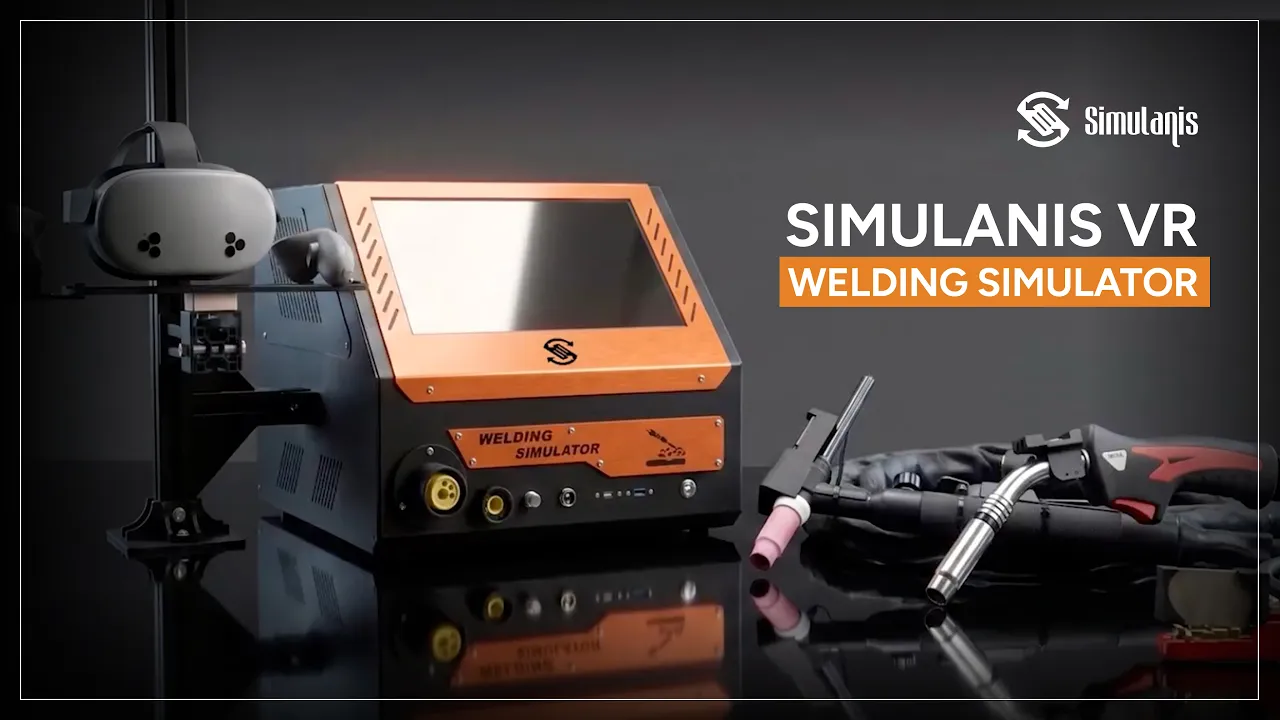
Organizations looking to incorporate simulation into their welding training programs can explore the Simulanis VR Welding Simulator to learn more about how simulation technology can support structured skills development.
Request a Demo.
Explore Welding Simulation Training
Organizations looking to incorporate simulation into their welding training programs can explore the Simulanis Welding Simulator to learn more about its training capabilities.